 by 2meo6admin01
Logs, Monitoring, and Alerts: Detecting Problems Before Users Do
In many modern web projects, technical issues are only discovered after the fact. A user reports a bug, a page stops loading, a form stops working, or a site suddenly becomes slow. In the worst cases, the problem can persist for hours before the technical team even notices.
However, in a digital environment where availability, performance, and reliability are essential, waiting for a user to report a problem is no longer an option. This is precisely why logs, monitoring, and alerts play a central role in modern web projects.
These tools help teams understand what is happening on a site, detect anomalies early, and intervene before the user experience is affected. They transform a reactive web project into a proactive one.
Understanding Logs: The Technical Memory of a Website
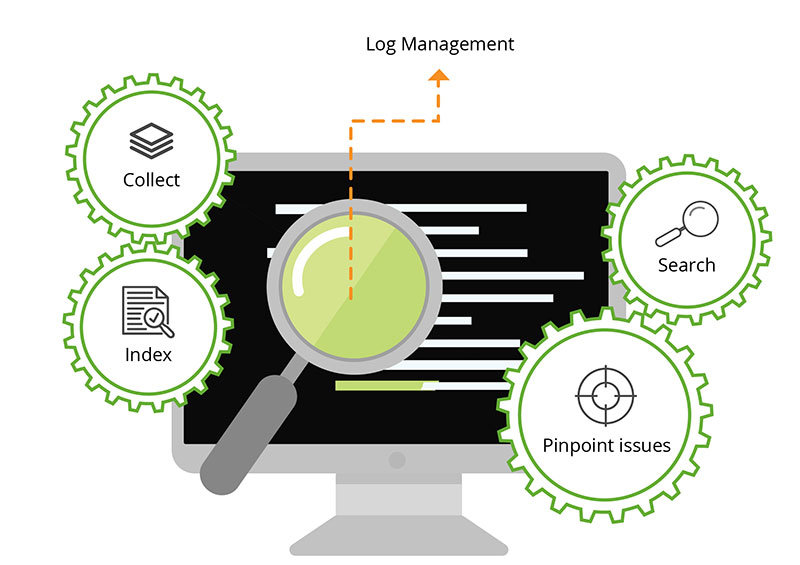
Logs are often the most overlooked part of a web project, yet they constitute its technical memory. A log is an automatic record of events on a site or application: errors, requests, access, abnormal behavior, and server responses.
Every important action leaves a trace. A server error, a failed request, a poorly responding API, a suspicious access, or a misprocessed form generates valuable information. Without clear and usable logs, these details are lost, making diagnosis extremely difficult.
A good logging system allows the technical team to understand what happened, when, why, and under what conditions. It is not just about seeing that an error exists, but about identifying its exact cause. This significantly reduces the time required to fix an issue and prevents blind troubleshooting.
Why Poorly Managed Logs Become a Barrier
In many projects, logs exist but are unusable. They may be too large, poorly structured, unreadable, or scattered across multiple servers. As a result, when an issue arises, the team wastes valuable time searching for relevant information.
A poorly designed logging system becomes a source of complications. Instead of helping resolve incidents, it slows analysis and increases stress in critical situations. That is why the quality of logs is as important as their existence.
Clear, organized, and centralized logs improve efficiency and peace of mind, especially as the site grows or handles more traffic.
Monitoring: Continuously Observing Site Health
Monitoring goes beyond logs. While logs tell what happened, monitoring observes what is happening in real-time. It is the continuous surveillance of the site and its infrastructure.
Monitoring tracks key indicators such as server response time, site availability, resource usage, repeated errors, or abnormal slowdowns. This provides a comprehensive view of the project’s technical health.
With monitoring, it becomes possible to detect gradual performance degradation, an overloaded server, or a service starting to fail even before users notice.
Anticipate Rather Than React to Incidents
Without monitoring, incidents often arrive unexpectedly. The site crashes, sales stop, and users leave the platform. With properly configured monitoring, these situations can be anticipated.
Un abnormal increase in loading time, rising errors, or reduced availability are warning signals that allow intervention before the problem escalates.
In a professional context, this proactive capability is crucial. It protects the company’s image, prevents financial loss, and strengthens user trust.
Alerts: Being Notified at the Right Time
Alerts are the direct link between technical data and human action. They notify teams immediately when a critical threshold is exceeded or abnormal behavior is detected.
Effective alerts are neither too frequent nor too rare. Too many alerts are ignored, while late alerts lose their usefulness. The goal is to notify the team at the right moment with the right priority.
For example, an alert can indicate that a service is unavailable, an error rate is rising quickly, or a server has reached a critical limit. This allows for rapid action, sometimes even before the user experiences any impact.
Improving User Experience Invisibly
One major advantage of logs, monitoring, and alerts is that they improve user experience without the user noticing. Users do not see the tools, but they feel their effect.
A more stable, faster, and reliable site creates a sense of professionalism. Bugs are fixed faster, interruptions are rare, and performance remains consistent.
In a competitive digital market, this stability becomes a differentiating factor. Users may not remember a site that works perfectly, but they always remember a site that fails.
An Asset for Maintenance and Project Evolution
Web projects constantly evolve. New features are added, integrations implemented, and traffic increases. Without technical visibility, every change becomes risky.
Logs and monitoring provide a secure framework to evolve the project. They help assess the impact of changes, detect side effects quickly, and make adjustments as needed.
Over the long term, this approach reduces maintenance costs, prevents emergency interventions, and improves project durability. The site becomes easier to maintain, even as the technical team changes or grows.
A Practice Still Underestimated in Many Web Projects
Despite their benefits, logs, monitoring, and alerts are often underestimated, particularly in mid-sized projects. They are sometimes seen as secondary tools reserved for large platforms.
In reality, smaller projects often benefit the most. A small team with limited resources cannot afford to waste time tracking down problems or managing repeated incidents.
Establishing simple but solid foundations from the start prevents many issues in the future.
A More Mature Vision of Web Development
Adopting a logs, monitoring, and alerts approach is embracing a more mature vision of web development. It means accepting that errors exist but choosing to detect, understand, and fix them quickly.
This technical maturity is now a mark of quality. It distinguishes improvised projects from projects designed to last, evolve, and adapt to market demands.
Seeing problems before users do is not a technical luxury but a necessity for any serious web project. Logs, monitoring, and alerts shift management from reactive to proactive, making stability, performance, and reliability standard expectations, not exceptions.
In this logic, 4Tech Lab focuses on structured web projects designed to be monitored, maintained, and improved over time. Without unnecessarily complicating solutions, the goal remains to build robust platforms capable of evolving smoothly while providing a consistent user experience—for Moroccan businesses and international projects alike.