by 2meo6admin01
SEO strategies for multilingual and multi-regional websites in Morocco
With Morocco’s linguistic and cultural diversity, companies that want to grow online must think about their digital presence in terms of multi-language and multi-region SEO. A website available in Arabic, French, and English, or targeting multiple regions within Morocco, cannot rely on automatic translation or simple page duplication. Without a proper SEO strategy, visibility, traffic, and conversions can be seriously affected.
To better understand the challenges and opportunities of multi-language and multi-region SEO in Morocco, we spoke with Samir Attaoui, an SEO and digital marketing expert. In this interview, he explains how to structure a website, optimize content for different languages and regions, and avoid common mistakes that limit performance.
Understanding Multi-Language and Multi-Region SEO
4Tech Lab: Samir, what exactly do we mean by multi-language and multi-region SEO?
Samir Attaoui:
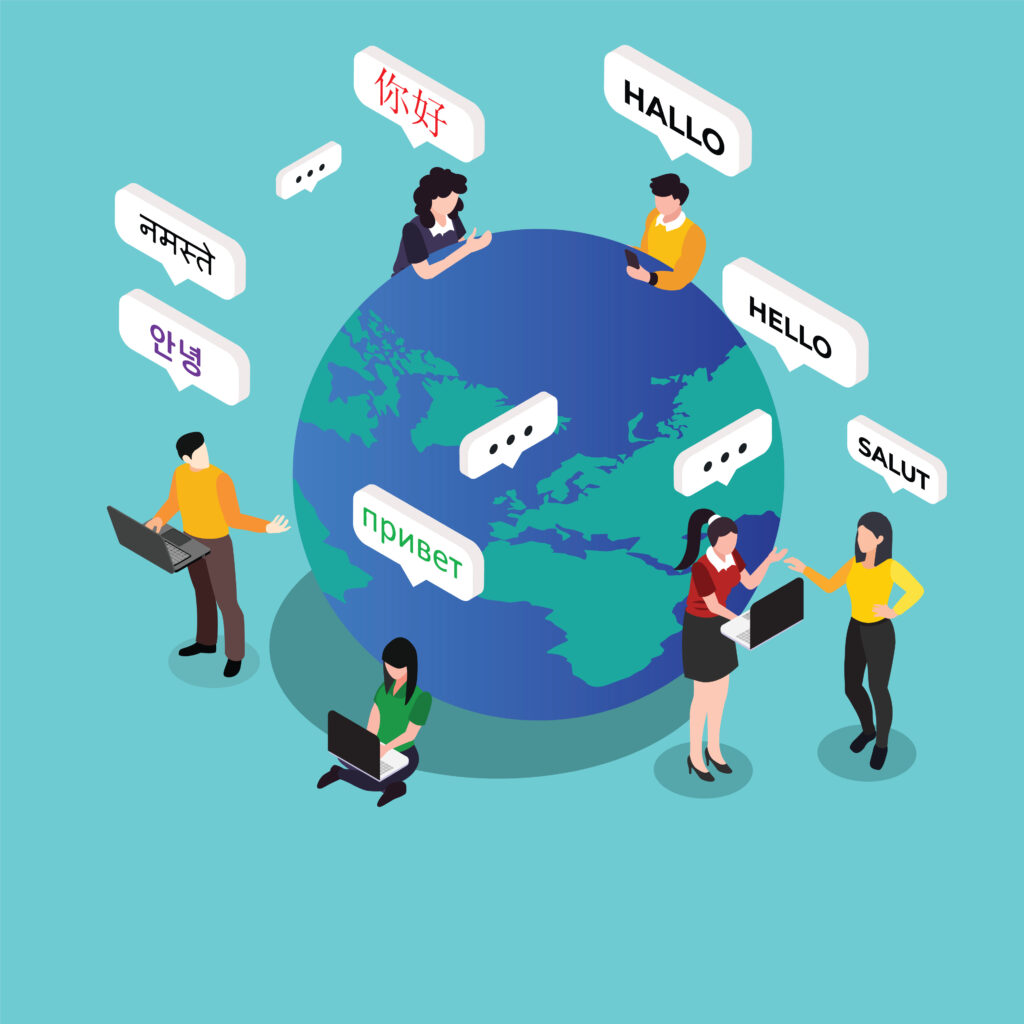
Multi-language SEO focuses on optimizing a website for several languages so that each user can access content in their own language. Multi-region SEO, on the other hand, aims to adapt content and site structure to different geographic areas, in this case, different cities or regions in Morocco.
This goes far beyond translation. It is a global optimization approach that takes into account site structure, URLs, hreflang tags, localized content, and how Google interprets search intent based on language and location.
Challenges Specific to the Moroccan Market
4Tech Lab: What are the main challenges for Moroccan businesses?
Samir Attaoui:
Morocco is a multilingual country: Arabic, French, English, and sometimes Amazigh. Each language comes with different search behaviors and user intent. A keyword in French does not necessarily reflect the same search intent in Arabic or English.
Geolocation is another key challenge. Searches in Casablanca are not the same as those in Marrakech or Tangier. Businesses must adapt their content to the targeted region in order to appear in local search results.
Finally, the technical challenge is significant. Managing URLs, hreflang tags, and redirects correctly is essential so Google understands which pages to serve to which users. A single mistake can lead to duplicate content issues and a loss of visibility.
Structuring a Website for Multiple Languages
4Tech Lab: How should a website be structured for multiple languages?
Samir Attaoui:
There are several approaches, but some are more effective than others. Best practice is to use subdomains or subfolders for each language. For example: fr.mysite.ma or mysite.ma/fr/. This helps Google clearly understand which page corresponds to which language.
Each page must have its own unique version, and hreflang tags must be used to indicate relationships between language versions. This prevents duplicate content issues and improves the user experience by automatically directing users to the correct language.
Optimizing Content for Each Language and Region
4Tech Lab: Should content simply be translated?
Samir Attaoui:
Absolutely not. Translation alone is not enough. Content must be localized for each language and region. This means adapting words, expressions, and sometimes even topics based on local search habits.
For example, a product searched for in Casablanca may have a different name or commonly used expressions in Arabic or French. Ignoring these nuances reduces both visibility and SEO effectiveness.
Keyword Research in a Multi-Language Context
4Tech Lab: How do you approach keyword research for multiple languages and regions?
Samir Attaoui:
Each language should be treated as an independent market. The first step is identifying relevant keywords for each language, then adapting them by region. Tools like Google Keyword Planner or SEMrush allow filtering by language and country, but they must be combined with local analysis.
In Morocco, search behavior in Arabic differs significantly from French. On top of that, certain cities have specific trends. Ignoring these differences means missing out on a large share of potential traffic.
Managing Duplicate Content and Hreflang Tags
4Tech Lab: How important are hreflang tags?
Samir Attaoui:
They are essential. Hreflang tags tell Google which version of a page should be shown to which user. Without them, Google may consider translated pages as duplicate content and penalize the site.
This is a relatively simple technical element, but it has a major impact on visibility. Every multi-language page must be correctly linked through hreflang tags, otherwise all SEO efforts can be undermined.
The Role of URLs and Site Structure
4Tech Lab: Do URLs influence multi-language SEO?
Samir Attaoui:
Yes, absolutely. A clear, readable URL adapted to the language improves both SEO and user experience. For example, mysite.ma/fr/products performs much better than an automatically generated URL filled with numbers or special characters.
For multi-region websites, including location in the URL, such as mysite.ma/casablanca/products, helps Google better target local searches and strengthens relevance.
User Experience and SEO
4Tech Lab: How does multi-language SEO impact user experience?
Samir Attaoui:
A website that does not adapt to the user’s language or region creates frustration. Users are forced to look elsewhere for information, which increases bounce rates.
Multi-language and multi-region SEO is not just about Google. It is about the user. By offering relevant pages in the right language and adapted to the right region, businesses increase engagement, trust, and conversions.
Tracking and Measuring Performance
4Tech Lab: How do you measure the effectiveness of a multi-language SEO strategy?
Samir Attaoui:
Each version of the website should be monitored as an independent market. Google Search Console and Google Analytics make it possible to track traffic by language and region.
This helps identify high-performing pages, areas that need optimization, and regions where localized content delivers real value. It is an ongoing process that requires continuous analysis and regular adjustments.
Common Mistakes to Avoid
4Tech Lab: What are the most common mistakes?
Samir Attaoui:
Three mistakes come up repeatedly:
- Translating content without adapting it to the local market
- Incorrect use of hreflang tags, leading to duplicate content
- Ignoring URL structure and geolocation
These errors can severely impact visibility and slow down digital growth for Moroccan businesses.
Advice for Moroccan Companies
4Tech Lab: What advice would you give Moroccan businesses?
Samir Attaoui:
Start by analyzing your markets and users: which languages do they speak, and which regions are you targeting? Then create adapted content, not just translated content.
Implement clear URLs, proper hreflang tags, and analytics tracking for each version of your site. Finally, view SEO as a continuous process, not a one-time task. Investing in a multi-language and multi-region SEO strategy always pays off in the long term.
Conclusion
This interview with Samir Attaoui highlights that multi-language and multi-region SEO is far more than page translation. It is a strategic approach that combines localized content, a solid technical structure, performance tracking, and user experience.
For Moroccan businesses, adopting this perspective on digital visibility is essential to reach diverse audiences and maximize online impact. At 4Tech Lab, we encourage companies to follow these best practices to build high-performing, accessible, and sustainable websites that meet Morocco’s linguistic and geographic diversity.