
 by 2meo6admin01
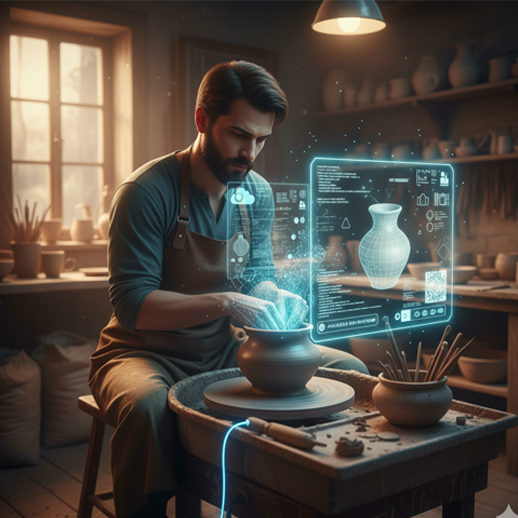
Digitalization of Craftsmanship: A Revolution Underway in Morocco
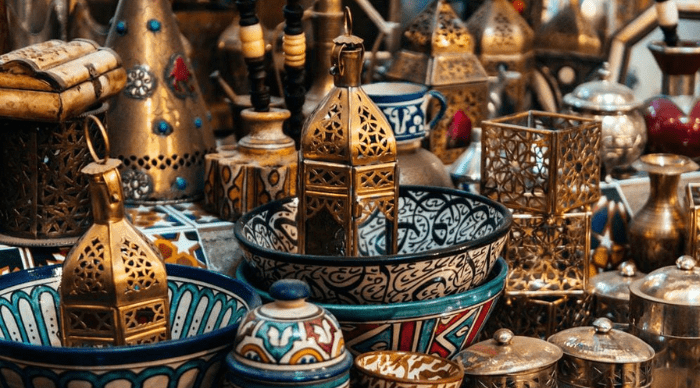
In Morocco, craftsmanship is a key part of cultural identity, heritage, and the economy. Artisanal skills, passed down through generations, represent not only a cultural treasure but also an economic resource.
However, faced with contemporary challenges international competition, modern consumer expectations, logistics, and visibility Moroccan artisans are at a turning point. Digitalization offers major opportunities to transform these challenges into advantages: increased visibility, wider markets, better management structures, and more.
This article explores how the digital revolution is shaping Moroccan craftsmanship: the stakes, ongoing initiatives, obstacles, and how actors like 4Tech Lab can accelerate this transformation in a human, sustainable, and inclusive way.
The State of Craftsmanship in Morocco
Key Sector Figures
To measure the scale of the sector, here are some recent data:
- Craftsmanship represents about 7% of Morocco’s GDP.
- Estimated revenue: 76.4 billion dirhams, with nearly 40 billion dirhams in added value.
- The sector directly employs 1.14 million people, around 20% of the active population.
- In 2024, sector revenue was estimated at 140 billion dirhams, split between production crafts (~96.3 billion DH) and service crafts (~43.7 billion DH).
- Exports: for the first time in 2024–2025, artisanal products surpassed 1 billion dirhams in exports, growing by around 12%.
These figures clearly demonstrate the strategic weight of craftsmanship in Morocco’s economy. Beyond its cultural and identity role, it is a growth-driving sector capable of generating jobs, attracting foreign currency through exports, and boosting the competitiveness of Made in Morocco products. Digitalization is therefore a major opportunity to further strengthen its presence in local and international markets.
Traditional and Emerging Challenges
Moroccan artisans face numerous daily challenges that hinder their growth. Visibility remains one of the biggest obstacles: most operate locally, relying on word-of-mouth or traditional sales channels, with little online presence. This significantly limits their reach and prevents them from taking advantage of today’s digital opportunities.
Administrative burdens are another challenge. Obtaining a professional license or officially registering a business is often complex, which can discourage talent or slow progress.
Logistics and market access also pose significant hurdles: how to transport products safely, ensure attractive packaging, or consider exporting to other cities or countries? Many artisans struggle to answer these questions.
Digital skills are another barrier: many lack training, preventing them from fully leveraging modern tools such as online marketing, e-commerce, or social media. Finally, access to financing and innovative technologies remains a constant challenge. While electronic payment solutions, sales platforms, and digital services exist, adoption remains low due to limited resources or lack of proper guidance.
Digitalization Levers for Craftsmanship and Made in Morocco
E-commerce and National & International Marketplaces
One of the most powerful levers of digitalization is e-commerce. Artisans can now sell their creations online, reach a much larger audience, and showcase Made in Morocco products internationally.
Partnerships between the Ministry of Craftsmanship, BCP, and Mastercard support this approach by offering modern, secure payments and creating a dedicated marketplace for Moroccan crafts. The result: an artisan in Marrakech can receive orders from Paris or Dubai with just a few clicks.
But for this momentum to succeed, a solid framework is essential which is where the government steps in.
Government Initiatives, Public Policies, and Legal Framework
With the Morocco Digital 2030 strategy, supported by an 11 billion dirham budget, the country is investing in e-government, digital inclusion, and innovation.
Targeted initiatives, such as the E-Artisanat portal (eservice.artisanat.gov.ma), simplify procedures and make life easier for artisans. Other programs, led by Barid Al-Maghrib and the Chambers of Craftsmanship, aim to centralize services and improve logistics.
Concrete Examples and Feedback
Ongoing Initiatives
Launched in February 2021 by the Ministry of Tourism, Craftsmanship, Air Transport, and Social Economy together with the Maison de l’Artisan, the #Art-is-ana campaign aims to reconnect Moroccans with their artisanal heritage. It responds to the observation that many artisans, especially in rural areas or small cooperatives, were heavily impacted by the COVID-19 crisis.
What makes #Art-is-ana effective:
- The campaign promotes a culture of consuming Moroccan craftsmanship year-round for both urban and rural populations.
- It uses TV, radio, and social media to reach younger audiences.
- It highlights Morocco’s cultural and heritage diversity, showing that craftsmanship is part of daily life, beyond mere display objects.
Initiatives like #Art-is-ana show that digital tools open new opportunities for Moroccan artisans, enhancing visibility, sales, and professionalism.
The Role of 4Tech Lab in This Transformation
4Tech Lab positions itself as a true partner for Moroccan artisans, providing tailored solutions in website creation and SaaS. The goal: transform traditional know-how into concrete digital opportunities so that every Made in Morocco creation can reach its audience worldwide.
The digitalization of craftsmanship and Made in Morocco is a revolution in progress. Public initiatives, local solutions, and private-sector support are building a future where tradition and modernity complement each other.
In this context, actors like 4Tech Lab actively help Moroccan artisans shine internationally while preserving authenticity and embracing the digital era.