by 2meo6admin01
Strengthen Your Visual Identity with a Cohesive Design System
Visual identity is often the first connection between a brand and its audience. Every color, typography, and shape plays a role in how people perceive your business. Yet, in Morocco, many brands still face a common challenge: their image lacks unity. From one medium to another, visuals differ, tones vary, and the message becomes less clear. The result: the brand appears less credible and less memorable.
This is where systemic design comes in, a holistic approach aimed at building a coherent and lasting identity, regardless of the media used: website, mobile, marketing materials, or digital communication. Unlike a simple style guide, systemic design is based on an overall logic: every visual element (logo, button, color, font, icon…) is designed as part of a system that can evolve without losing coherence.
Increasingly, Moroccan companies are taking interest in this approach, aware that visual consistency has become a sign of professionalism. In a digital environment where user attention is short and competition is strong, systemic design offers a decisive advantage: it ensures brand image consistency, strengthens recognition, and improves the overall user experience.
Defining Systemic Design
Systemic design is a visual creation method that treats every graphic element as part of a coherent whole. Instead of designing a logo, a promotional image, or a website button separately, this approach organizes all elements coherently so that each creation reflects the same identity.
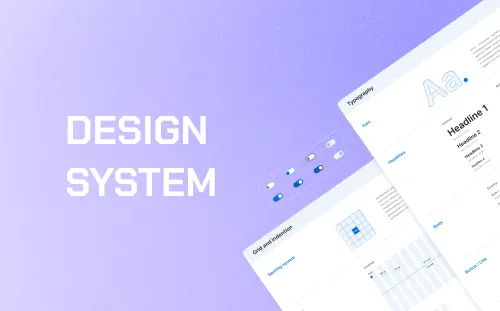
Practically, systemic design relies on a design system, a kind of guide or library that gathers all visual rules and graphic components: colors, fonts, buttons, icons, spacing, shadows, photos, or illustrations. Every detail is carefully defined so that any designer or developer can create new assets while respecting the original brand image.
It can be seen as a shared visual language within the company. Every team, whether marketing, communications, or technical, uses this language to produce content that looks consistent and tells the same story. For a Moroccan company, adopting systemic design means working more efficiently, avoiding inconsistencies that undermine credibility, and enhancing the visual impact of the brand. It also allows Moroccan brands to stand out in a competitive market where clients expect a professional and harmonious experience, whether on a website, mobile app, or other communication medium.
Key Elements of an Effective Design System
A successful design system relies on three main pillars: consistency, flexibility, and documentation.
Consistency: All colors, typography, and shapes must be harmonized. For example, a brand should use its colors and fonts consistently across its website, social media, and internal documents.
Flexibility: The design should not be too rigid. It must adapt to new needs without starting from scratch. This is particularly useful for growing Moroccan companies that often add new products or services.
Documentation: This allows the system to be easily shared. A good design system includes a clear guide (often called a “Brand Book” or “UI Kit”) explaining how to use each element: when to use a color, which font size to choose, and what margins to respect.
Combining these three aspects creates a visual system that is durable and easy to maintain, even when teams change or the company evolves.
Tools and Technologies for Creating a Design System
Building a design system is not accidental. Today, there are several intuitive tools that make creating, managing, and updating these systems easier.
Software like Figma, Sketch, or Adobe XD allows designers to create shared component libraries. Figma, in particular, is widely used by Moroccan agencies and startups for its simplicity and online collaborative work.
For technical teams, solutions like Storybook or Frontify connect the design system to code. This ensures that buttons, fonts, or colors defined by designers appear exactly the same on the final website or application.
Finally, a good design system can also be stored on internal platforms (Notion, Drive) to serve as a reference for the entire company. The goal is not to use the most complex tools but to create a shared foundation that everyone understands and follows.
Multi-Media Consistency: Web, Mobile, Print, Social Media
The true strength of systemic design lies in its ability to ensure visual consistency across all media. On the web, this means that buttons, headings, and spacing maintain the same proportions as on a mobile app. On social media, posts should reflect the same graphic personality as the official website. In print materials flyers, catalogs, or poster the color palette, typography, and visual style must extend the brand identity without altering it.
For example, a brand aiming to convey a warm and professional image must use the same graphic codes on its website, digital posts, and print materials. This allows users to recognize the brand immediately, regardless of the channel, and enjoy a consistent and reassuring experience.
This visual consistency not only enhances memorability and credibility but also builds long-term trust, which is essential for standing out in the Moroccan market.
Business and Technical Benefits
Adopting a systemic design approach is not just about visuals; it’s a strategic decision.
Technically, it reduces errors, inconsistencies, and wasted time. Teams using a design system can work faster with fewer revisions because every element is already standardized and validated.
From a marketing perspective, visual consistency creates a smooth and professional experience. Moroccan users, increasingly demanding of digital brands, often associate design quality with company reliability. A well-managed style guide inspires confidence, whether for purchasing, subscribing, or simply interacting.
Economically, systemic design represents a long-term investment. Instead of starting from scratch with each campaign or redesign, the brand relies on a solid, reusable, and evolving foundation. This allows for consistency while still enabling innovation.
Systemic design is not reserved for large international brands; it is an accessible lever for any Moroccan company seeking to strengthen its image and achieve visual coherence. By structuring their visual universe, they build a clear, recognizable, and lasting identity a graphic language that belongs to them.
At 4Tech Lab, this reflection on coherence and user experience is part of a broader vision: a more harmonious, professional, and human Moroccan web. Promoting a culture of thoughtful design is not just about aesthetics but about digital strategy. A coherent brand is a brand that inspires, convinces, and stays in people’s minds.