by 2meo6admin01
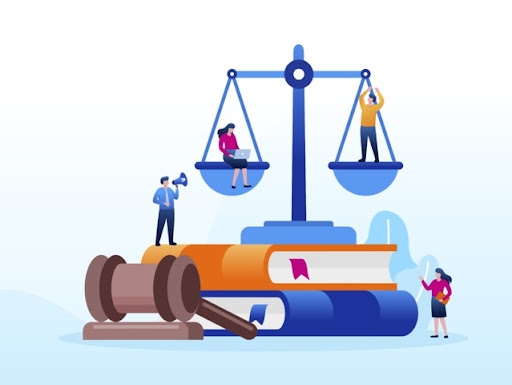
The role of legal content in user trust
In a digital landscape where competition is intense, technologies evolve rapidly, and users are increasingly demanding, trust is no longer a simple advantage. It has become a prerequisite. Any company that wants to attract, convert, and retain users must demonstrate that it is reliable: technically, visually, and legally.
This is where legal content takes on strategic importance. Legal notices, privacy policies, cookie policies, and GDPR compliance, once considered secondary, are now central to a website’s credibility. They ensure transparency, regulate data collection, protect users, and reduce legal risks. Yet many businesses still underestimate them or publish generic, incomplete, or unclear versions.
But what do these elements truly bring to a website? Why do they influence both trust and digital performance? And how can they become powerful reassurance tools?
Transparency as the First Foundation of Trust
Giving the Company a Clear Identity
The relationship between a company and its users is built on one essential principle: transparency. When a visitor lands on a website, they want to know who is behind the platform and what rules govern its use.
Legal notices address exactly this need. They present the company’s identity: legal name, contact details, publication director, hosting provider. Although they may seem administrative, these elements remove anonymity and project a professional image. For users, this is a strong first sign of credibility.
Clarifying the Use of Personal Data
The privacy policy plays an even more crucial role. It explains how personal data is collected, used, stored, or protected.
In a context where users are increasingly aware of privacy risks, the slightest ambiguity can create distrust. A clear and accessible privacy policy, free of overly technical legal jargon, reinforces trust and encourages users to continue their interaction with the site.
Ensuring Technological Transparency Through Cookies
The cookie policy completes the transparency framework. It informs users about what the website tracks: analytics, user preferences, marketing tools, and more.
When a company communicates openly about its practices, it reassures visitors. Conversely, a platform that activates cookies without informing the user creates a sense of opacity. This technological transparency is now essential for building long term trust.
A Legal Obligation That Shapes Online Presence
Although some companies still overlook it, legal content is not optional. It is mandatory.
In many countries, including Morocco and EU member states through GDPR and the ePrivacy directive, every website must display precise legal information. Failing to do so can result in administrative sanctions, fines, or formal notices.
But the legal issue goes beyond compliance. It affects the long term viability of the website. A company that neglects legal content exposes itself to legal risks and conveys a perception of unprofessionalism. In highly competitive markets, lack of compliance can even discourage potential partners, investors, or international clients who view legal rigor as a standard requirement.
A Powerful Driver of Professional Credibility
Users have become accustomed to checking legal content before signing up, submitting a form, or making an online purchase. If these pages are missing or poorly structured, it can immediately stop a conversion process.
A visually appealing, secure, and well designed site can lose all credibility if its legal pages look improvised, outdated, or copied from another website. On the other hand, a site that clearly presents its policies conveys the image of an organized, transparent, and responsible company.
This credibility also extends to business relations. Companies seeking to work with international partners, integrate advanced digital solutions, or respond to tenders must prove compliance. Legal content becomes a key indicator of professionalism.
A Direct Influence on User Experience
User experience is not limited to design, navigation, or speed. It also includes the sense of security felt by the user.
When a visitor hesitates to complete a form, make a purchase, or share an email address, the issue is not only visual. It is also about trust. Properly written legal content helps remove doubts and ease the decision making process.
- A clear privacy policy increases the chances that a user will complete a form.
- A readable cookie policy reduces frustration caused by confusing pop ups.
- Well structured legal notices immediately reassure visitors about the legitimacy of the website.
Legal content is therefore a key UX component that helps streamline navigation and boost conversions.
A Growing Need Due to Modern Digital Tools
With the rise of advanced analytics tools, CRMs, advertising platforms, and marketing automation systems, data collection has become increasingly complex.
A site using Google Analytics, Meta Pixel, retargeting tools, live chat, or performance measurement systems must inform users transparently. The more sophisticated the technology, the clearer and more complete the privacy policy should be.
Legal content thus becomes a bridge between technical expertise and user understanding. It explains complex mechanisms such as behavioral tracking, segmentation, and conversion measurement in simple and accessible terms.
Any company investing in digital tools must therefore give equal importance to the structure and clarity of its legal content.
A Shared Responsibility Across Technical, Marketing, and Editorial Teams
Effective legal content is not just a document created by a lawyer. It must be understandable for users, well integrated into the website’s design, easily accessible, and written in clear language.
Its quality often depends on the collaboration between several teams. Technical teams must specify the tools used, marketing must explain the purpose of data collection, and editorial teams must transform these inputs into readable, user friendly content. This collaborative approach reflects modern digital communication: every element of a website contributes to the user relationship, even the most administrative ones.
Legal content is no longer a secondary component hidden in the footer. It has become a fundamental pillar of the relationship between companies and users. It reassures, protects, validates credibility, and enhances the overall browsing experience.
To support companies in this effort, 4Tech Lab plays an essential role by creating professional, reliable, and well structured websites where legal content naturally fits. Without replacing legal experts, the team ensures clear, coherent, and compliant integration aligned with best practices. A well designed, technically optimized, and legally transparent website always inspires greater trust and attracts more engaged users.