Hero mobile preload
Why copying major websites is a strategic mistake

Why copying major websites is a strategic mistake

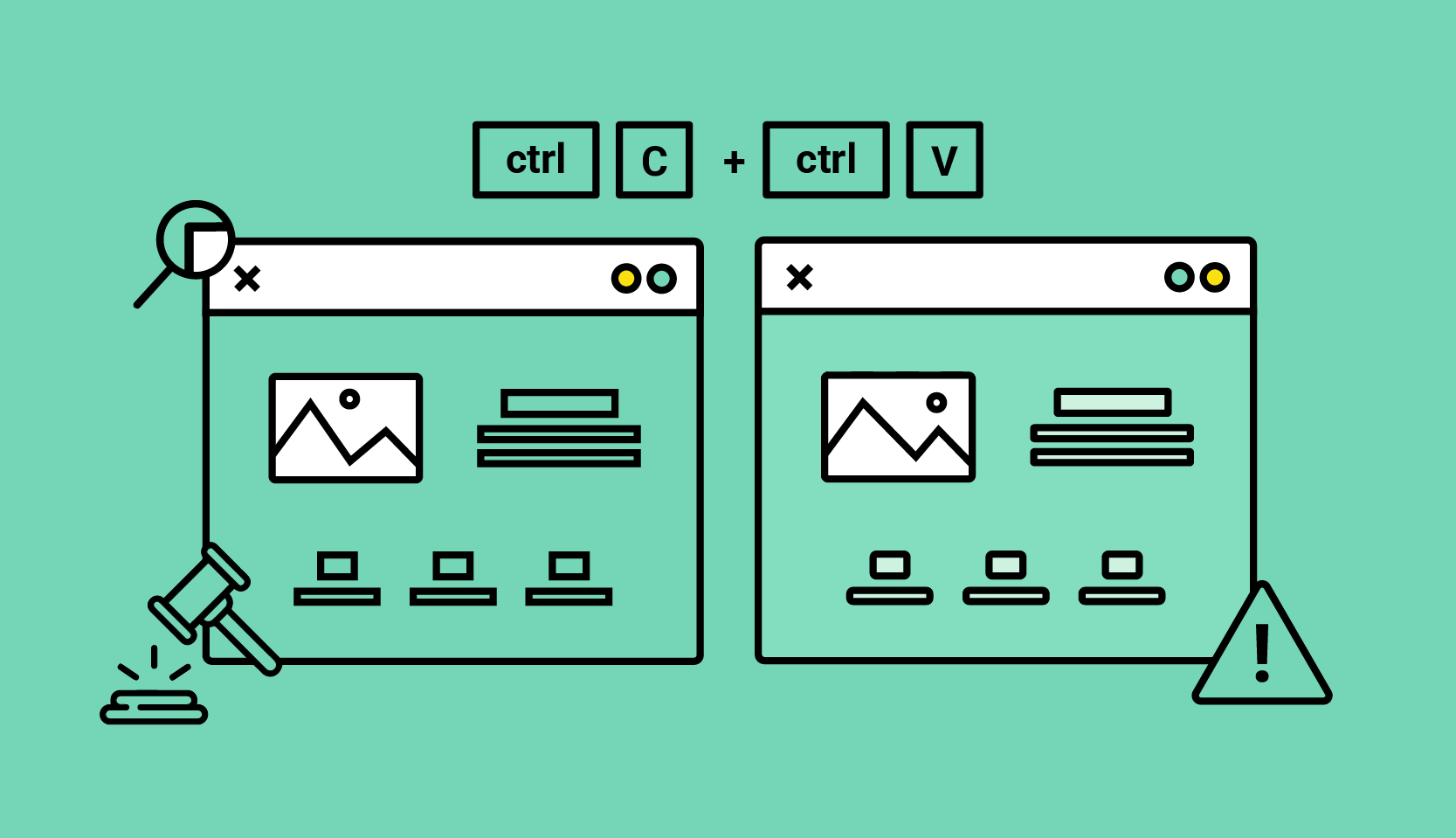
In many web projects, a recurring temptation appears: taking inspiration from, or even replicating, the structure or design of major international websites. Global e-commerce platforms, SaaS giants, well-known marketplaces these references are often seen as symbols of success. Yet copying large...

READ MORE
Product web vs. project web: two visions, two results

Product web vs. project web: two visions, two results

Designing a website or an application is not just about launching a page or meeting a set of specifications. Success largely depends on the vision behind the project: is the site considered a full-fledged product, designed to evolve and create value over time, or simply a one-off project with a...

READ MORE
Turnkey CMS: technical and strategic limitations

Turnkey CMS: technical and strategic limitations

For several years, so-called “out-of-the-box” CMS platforms have established themselves as a fast solution for building websites. WordPress, Wix, Webflow, Shopify, and Squarespace make it possible to launch a site in just a few days, sometimes even without advanced technical skills. For simple...

READ MORE
SEO for headless and PWA websites: optimizing indexing

SEO for headless and PWA websites: optimizing indexing

With the rise of Progressive Web Apps (PWA) and headless architectures, the modern web has changed dramatically. Websites are no longer simple static HTML pages: they load dynamic content, rely on APIs, and offer experiences close to mobile applications. This evolution greatly enhances user...

READ MORE
Full Stack: Comparing Rust, Node.js, and Go for Web Performance

Full Stack: Comparing Rust, Node.js, and Go for Web Performance

As web applications become more complex, heavily used, and critical to business operations, performance is no longer just a technical detail. It directly impacts user experience, platform stability, infrastructure costs, and a product’s ability to scale over time. In this context, choosing the...

READ MORE
Composable Front-End or Micro-Frontends: How to Choose

Composable Front-End or Micro-Frontends: How to Choose

In modern web development, front-end applications are becoming increasingly complex. Between the need to deliver high-performance, consistent, and scalable interfaces and the growing demand from users for smooth experiences, technical teams must make key architectural decisions early on. Two...

READ MORE
Build a Website Designed to Last 5 to 10 Years

Build a Website Designed to Last 5 to 10 Years

In many web projects, priority is often given to a quick launch. Once the website is live, the objective seems achieved. However, in reality, a website is never truly finished. It evolves with the company, user behaviors, technology, and user expectations. A site designed without a long-term...

READ MORE
Why Fixing Only Visible Bugs Weakens a Webster

Why Fixing Only Visible Bugs Weakens a Webster

When a website encounters issues, the most common reaction is often the same: fix what is visible. A button that doesn’t work, a page showing an error, a form that no longer submits… Once these visible bugs are corrected, it seems like the site is “repaired.” However, in reality, many...

READ MORE
Logs, Monitoring, and Alerts: Detecting Problems Before Users Do

Logs, Monitoring, and Alerts: Detecting Problems Before Users Do

In many modern web projects, technical issues are only discovered after the fact. A user reports a bug, a page stops loading, a form stops working, or a site suddenly becomes slow. In the worst cases, the problem can persist for hours before the technical team even notices. However, in a...

READ MORE
Web Components and Front-End Code Reusability

Web Components and Front-End Code Reusability

In modern web projects, front-end complexity is constantly increasing. Interfaces need to be fast, consistent, maintainable, and able to evolve without breaking everything. Yet, in many companies, front-end code quickly becomes difficult to manage: duplicated components, visual inconsistencies,...

READ MORE