 by 2meo6admin01
Product web vs. project web: two visions, two results
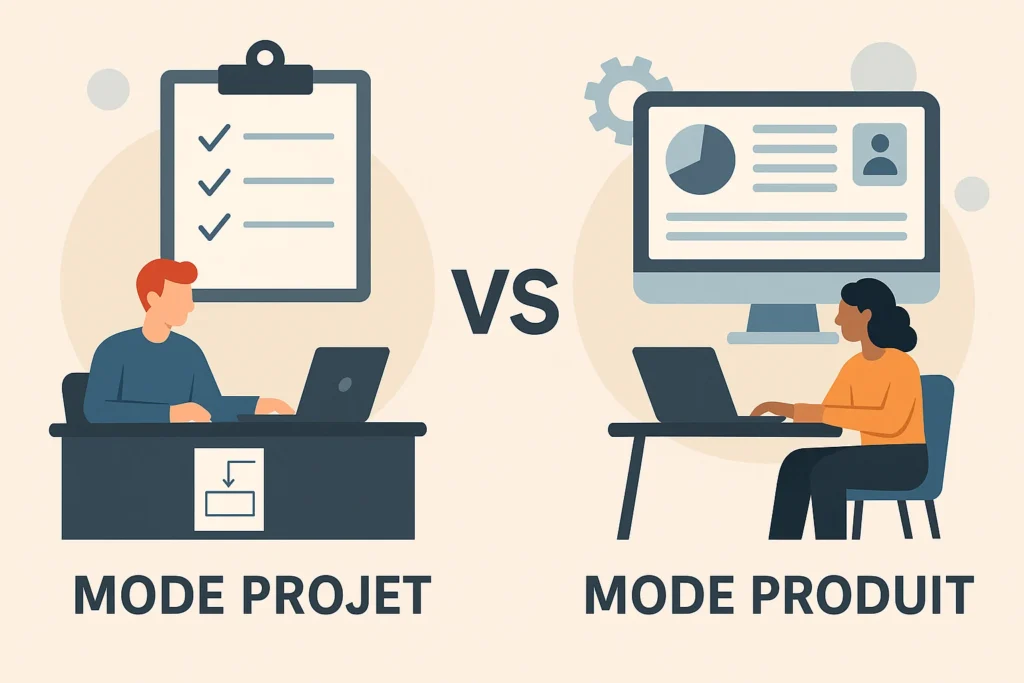
Designing a website or an application is not just about launching a page or meeting a set of specifications. Success largely depends on the vision behind the project: is the site considered a full-fledged product, designed to evolve and create value over time, or simply a one-off project with a clear beginning and end?
This distinction, often overlooked, has a deep impact on how technical teams work, on architectural choices, maintenance, user experience, and ultimately on a company’s digital success.
In this article, we analyze the differences between a web project approach and a web product approach, their concrete implications, and why adopting a product mindset has become essential, especially in the Moroccan market.
Understanding the Web Project Vision
The web project approach follows a traditional model. A specific goal, fixed requirements, and a defined budget are established upfront. The technical team, often involved for a limited period, focuses on delivering a functional website by a given deadline.
Key Characteristics of the Web Project Approach
In this model, the project is considered complete once the site goes live and is validated by the client. Future improvements, updates, or adjustments usually depend on launching new projects or securing additional budgets.
This approach is often suitable for short-term needs: a temporary showcase website, an event landing page, or a promotional site. However, it reveals several limitations when the project needs to evolve, integrate new features, or continuously meet user expectations.
Limitations of the Web Project Approach
Reactive Maintenance
In a web project, maintenance is usually limited to fixing critical bugs. Regular improvements or technical optimizations are often postponed or ignored, leading to accumulated issues and declining performance over time.
Limited Scalability
An architecture designed for a one-off project is rarely optimized for future growth. Adding new features can become complex, costly, and risky.
Static User Experience
The site is built to address a specific need at a given moment, with little ongoing analysis of user behavior. UX updates are limited, which can negatively impact engagement and user satisfaction.
SEO and Visibility Challenges
A project-based site may be technically sound but poorly equipped to adapt to search engine algorithm updates or evolving user expectations. Indexing and visibility can stagnate.
Web Product: A Value-Driven Approach
The web product approach treats the website as a living product. The goal is not only to deliver a functional platform, but to build something that can evolve, adapt to user needs, and generate long-term value.
Core Principles of the Web Product Approach
Long-Term Vision
The site is designed to evolve continuously. Each feature is built with value creation and performance tracking in mind.
Continuous Lifecycle
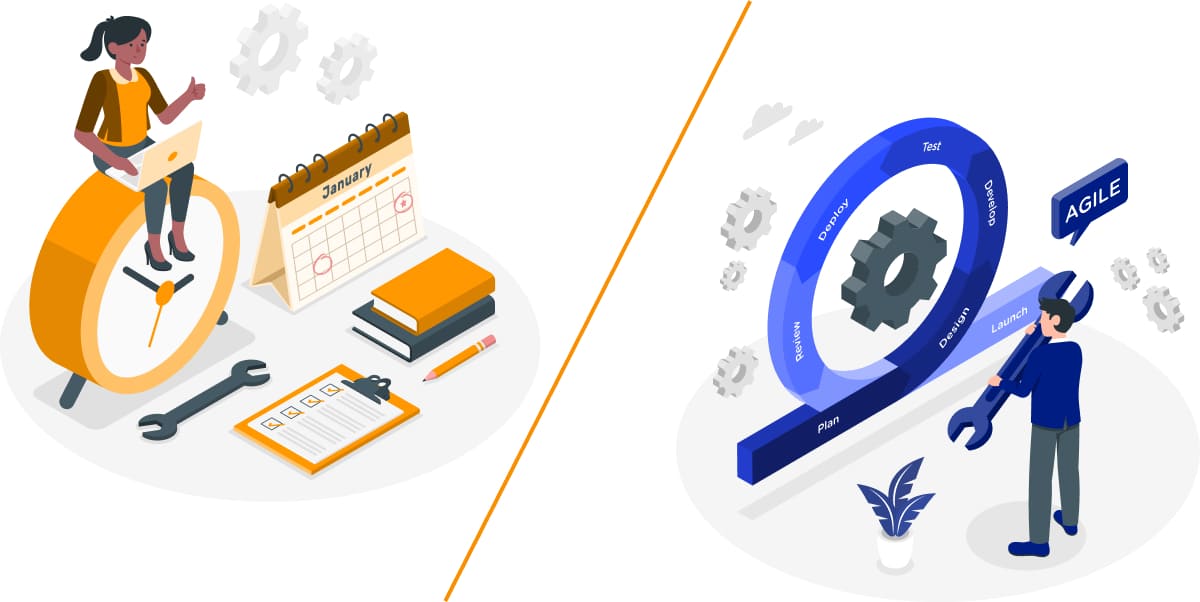
Unlike the web project model, the product is updated regularly based on user feedback and data analysis. Improvements are planned and integrated through agile processes.
User-Centered Focus
UX is central to the process. Design and development decisions are driven by real user behavior, measured through clear indicators.
Agility and Flexibility
The product can quickly adapt to market changes, new technologies, or specific business needs without requiring a full redesign.
Web Project vs. Web Product: A Comparison
| Aspect | Web Project | Web Product |
| Main objective | One-time delivery based on specifications | Creation of an evolving, value-generating product |
| Maintenance | Corrective, reactive | Continuous, proactive |
| Scalability | Limited | Optimized for future features |
| User experience | Static | Continuously improved |
| SEO and visibility | Often static | Ongoing optimization for visibility and engagement |
| Business alignment | Short-term | Long-term and sustainable growth |
This comparison clearly shows that a product-driven vision is better suited to the needs of modern businesses, especially in a competitive digital environment.
Why the Web Product Approach Is Critical for Moroccan Businesses
The Moroccan market is undergoing rapid digital transformation. Companies must adapt quickly to mobile usage, increasing UX expectations, and a highly competitive SEO landscape.
Responsiveness to Customer Needs
A product approach makes it easier to identify priority features and adapt them based on user feedback. This directly improves customer satisfaction and business efficiency.
Resource Optimization
By adopting a product mindset, companies avoid spending budgets on one-off projects that require frequent redesigns. The product evolves progressively with measured improvements, which is particularly relevant for Moroccan SMEs with limited resources.
Performance and Sustainability
The web product approach encourages robust, maintainable architectures that can withstand the rapid evolution of the web. Modern frameworks, continuous integration, and best development practices ensure performance and durability.
Concrete Benefits of a Product Approach
Continuous UX Improvement
With a web product, UX improvements are ongoing. A/B testing, behavioral analysis, and user feedback help refine the experience over time.
Performance Metrics Tracking
A product-oriented platform enables tracking of key KPIs such as loading time, conversion rates, most viewed pages, and user behavior. These insights support informed strategic decisions.
Adaptation to New Technologies
The product approach makes it easier to integrate new technologies such as PWAs, headless CMS, microservices, and modern frameworks. The site stays up to date without requiring a full rebuild.
Optimized SEO and Visibility
Unlike a static project, a product evolves with the market. Content, architecture, and technical performance are regularly optimized to improve search engine visibility and attract qualified traffic.
Practical Examples of the Difference in Action
A website built as a project may remain unchanged for two years, with outdated architecture and user experience. Meanwhile, a product-oriented site can gradually integrate:
- Mobile-first and PWA optimizations
- New e-commerce or SaaS features
- Continuous content and navigation improvements
- Ongoing SEO and technical performance monitoring to stay visible on Google
These differences directly result in higher engagement and better conversion rates.
How to Adopt a Product Approach for Your Website
1. Define a Long-Term Vision
Think of your website as a product to be continuously improved, not a one-off project. Set clear goals and a growth roadmap for the coming years.
2. Implement Continuous Improvement Cycles
Agile methods, user testing, data analysis, and regular updates should be part of the development process. The goal is steady improvement without major disruptions.
3. Choose the Right Technologies
Modern frameworks, flexible CMS solutions, APIs, and microservices help build scalable and high-performing products. Technical choices should prioritize durability and adaptability.
4. Prioritize User Experience
UX and UI must remain central to decision-making, with continuous monitoring of user behavior and ongoing adjustments.
The distinction between web project and web product is not just theoretical. It has a direct impact on performance and long-term sustainability. Companies that treat their websites as one-off projects risk limiting digital growth, reducing user engagement, and increasing redesign costs. In contrast, a product-driven approach enables the creation of scalable platforms aligned with user needs and market demands.
At 4Tech Lab, we support Moroccan and international companies in adopting this product vision. Through our expertise in web architecture, modern frameworks, and UX optimization, we help transform websites into true digital products capable of growing, evolving, and remaining competitive in a constantly changing digital landscape.